

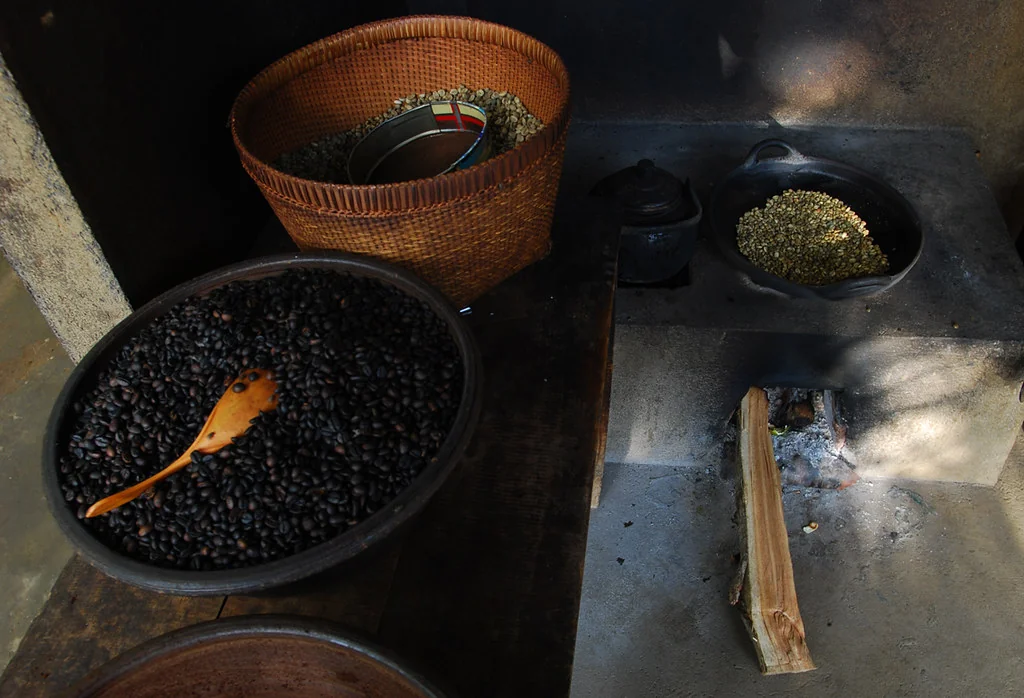
Sebaraya Travel – Indonesia’s coffee story starts in 1696, when the Dutch brought arabica to Batavia, today’s Jakarta. The first export batch followed in 1711, shipped by the Dutch East India Company.
Today the names on bags and café menus point to regions, not just a country. This guide explains five of them, what Indonesia’s official tourism site says about their flavour, and how to use that when you buy beans as a gift.

Five Regions at a Glance
| Region | Province | Species | Flavour notes (official description) |
|---|---|---|---|
| Gayo | Aceh | Arabica and robusta | Strong aroma, complex, mild bitterness |
| Sidikalang | North Sumatra | Not stated | Spicy, chocolatey, low acidity |
| Kintamani | Bali | Arabica | Mild, fruity, medium acidity |
| Toraja | South Sulawesi | Arabica and robusta | Full body, ripe fruit, dark chocolate |
| Bajawa | Flores, East Nusa Tenggara | Arabica | Floral, chocolate, earthy, thick body |
Flavour notes are a guide, not a guarantee. Roast level and freshness change the cup as much as origin does.
Gayo, Aceh
Gayo coffee comes from the Gayo highlands of Central Aceh in northern Sumatra. Both arabica and robusta are grown there, but Gayo arabica is the one most often drunk and exported.
Its official description is strong and complex, with a pronounced aroma and very mild bitterness. If you like a bold cup without harshness, start here.
Sidikalang, North Sumatra
Sidikalang coffee is described as strong, spicy and chocolatey, with low acidity. The official site suggests drinking it tubruk-style or black, without sugar.

Tubruk means ground coffee brewed directly in the cup, with the grounds left to settle. Let it sit a minute before the first sip.
Kintamani, Bali
Kintamani coffee is arabica grown in Bali’s cool mountain areas. It is described as mild and fruity with medium acidity, a fruitiness the official site links to growing coffee alongside fruit and vegetables.

Given that mild profile, Kintamani is the one I would suggest for first-time drinkers of Indonesian coffee. It is also the most convenient to buy if your trip is Bali-only.
Toraja and Bajawa
Toraja coffee comes from the northern highlands of South Sulawesi. Its description is full-bodied, with ripe fruit and dark chocolate notes, and a bitterness that fades after the first sip.
Bajawa coffee comes from the southern highlands of Flores and is processed by wet-hulling. Wet-hulling removes the bean’s outer layer while it is still moist. The official site describes Bajawa as floral and chocolatey with a thick body.
Buying Beans to Take Home
Buy whole beans rather than ground coffee if you will not brew within a few weeks. Look for a roast date on the bag, not just an expiry date.
What about kopi luwak? The official site describes it, but it is a different product: beans collected after passing through civets. We have left it off this list because how the animals are kept varies, and buyers rarely can check it.
Check your home country’s customs rules for roasted coffee before you pack several kilos.
Pick one Sumatran and one non-Sumatran bean, brew them side by side at home, and you will taste the difference between regions.
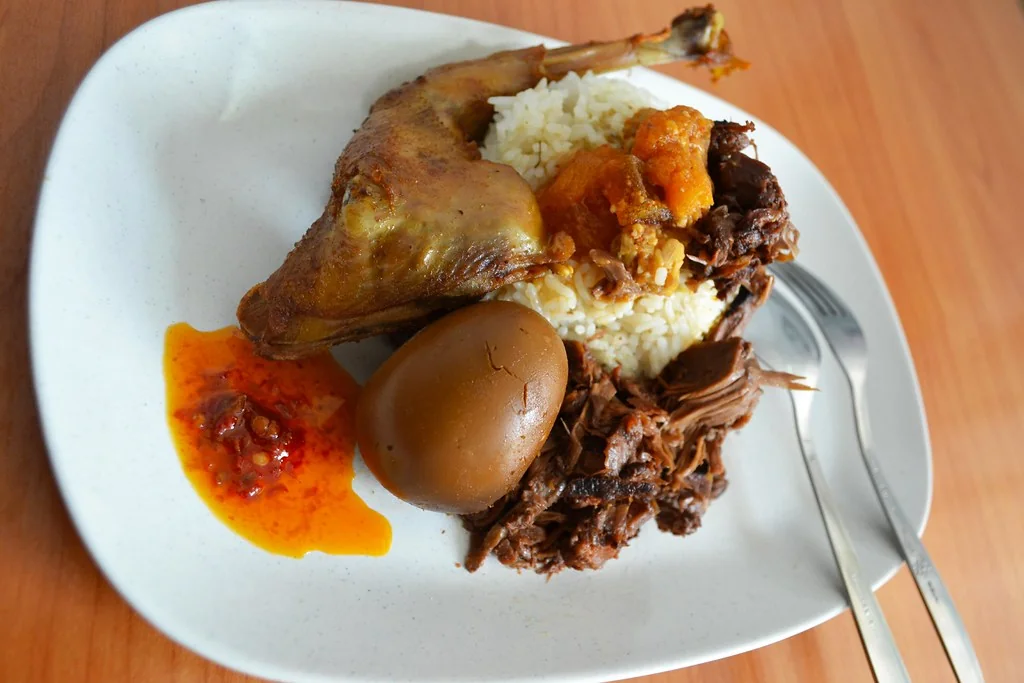
Gudeg: Yogyakarta’s Sweet Jackfruit Stew

Komentar Ditutup! Anda tidak dapat mengirimkan komentar pada artikel ini.