

Sebaraya Travel – The easiest way into Indonesian street food is to start with the five dishes the tourism ministry named as national dishes in 2018: soto, rendang, nasi goreng, satay and gado-gado. Add four Jakarta street favourites and you have a short list that works almost anywhere in the country.
Prices in this guide come from Indonesia’s official tourism website and were checked on 25 October 2026. They are typical ranges, not fixed tariffs, so expect variation between cities and stalls.

The Five National Dishes
Indonesia’s tourism ministry declared these five dishes national food in September 2018. Together they cover soup, rice, grilled meat, salad and a slow-cooked curry.
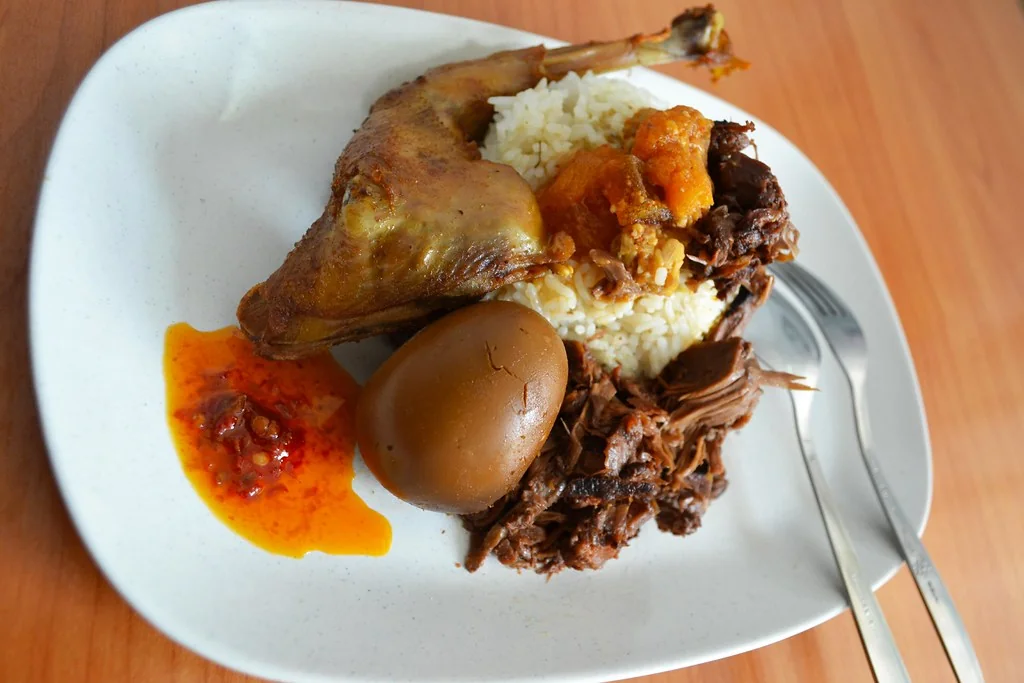
1. Soto
Soto is an aromatic soup found across the archipelago, with many regional versions. If a menu lists several kinds of soto, it usually means different broths or meats.
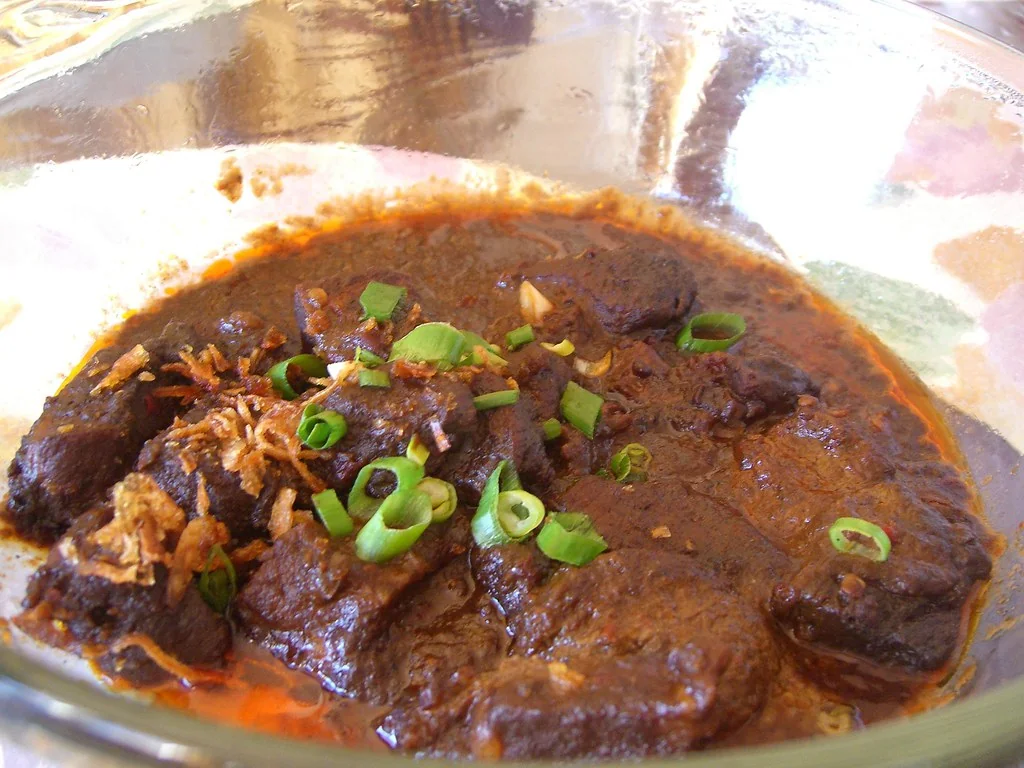
2. Rendang
Rendang is meat simmered in coconut milk and spices until the sauce reduces. Read more in our guide to what rendang is.
3. Nasi Goreng
Nasi goreng is Indonesian fried rice. It is one of the most common evening dishes at street stalls.
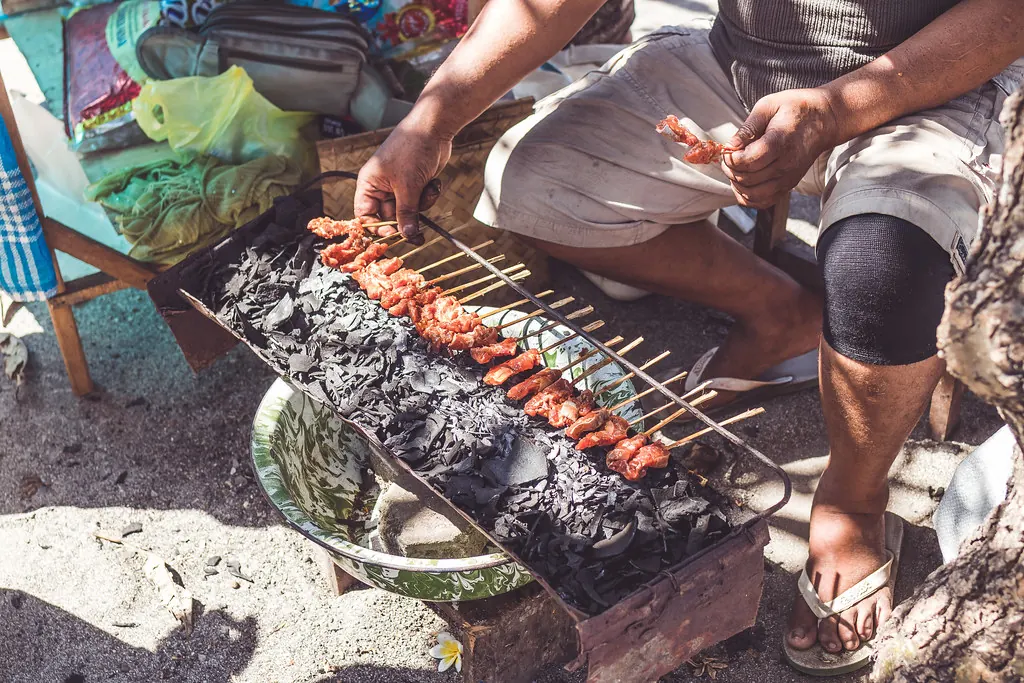
4. Satay
Satay, or sate, is grilled skewered meat. Many stalls grill the skewers to order over charcoal, so expect a short wait.
5. Gado-Gado
Gado-gado is a salad of blanched vegetables, tofu, tempeh, boiled egg and rice cake, coated in peanut sauce. A plate costs about Rp15,000 to Rp30,000 in Jakarta.
Four Jakarta Street Favourites
These four come from the official tourism site’s guide to Jakarta street food. Most can be found in other big cities too.
| Dish | What it is | Typical price |
|---|---|---|
| Martabak (sweet) | Thick pancake with chocolate, cheese, peanuts or condensed milk | Rp40,000–80,000 |
| Martabak (savoury) | Pastry stuffed with minced beef and egg | Rp25,000–50,000 |
| Kerak telor | Betawi glutinous-rice omelette with dried shrimp and coconut | Rp20,000–35,000 |
| Siomay | Steamed fish dumpling with potato, cabbage, tofu and peanut sauce | Rp15,000–30,000 |
| Gorengan | Fried tofu, tempeh, banana or sweet potato | Rp2,000–5,000 per piece |
Martabak is made for sharing, so one portion can feed two or three people. Kerak telor is cooked over charcoal and often turns up at cultural festivals and in older parts of Jakarta.
Where to Find Them in Jakarta
Jalan Sabang in Central Jakarta is a night food strip known for martabak, satay and nasi goreng. Glodok, Jakarta’s Chinatown, is better for Chinese-Indonesian food such as bakmi.
Blok M and Pasar Santa mix long-running vendors with newer stalls. Benhil, near Bendungan Hilir, is known for its Ramadan food market and stays busy the rest of the year.
How to Order Without Stress
Point, ask the price, and confirm the portion before the cook starts. With siomay, vendors often let you pick which items go on your plate.
Carry small notes, because gorengan costs only a few thousand rupiah a piece. For example, paying for Rp6,000 of fritters with a Rp100,000 note can leave a small stall short of change.
Eating Street Food Safely
Choose busy stalls where food is cooked in front of you and served hot. If you have a sensitive stomach, start with cooked dishes like satay and nasi goreng before raw garnishes and iced drinks.
Peanut sauce appears in gado-gado and siomay, so ask before ordering if you have a peanut allergy. Write the word “kacang” (peanut) on your phone to show vendors.
Tonight, try one national dish and one Jakarta favourite, then build your list from there.
Ticket prices, fares, opening hours, and schedules can change at any time. Check the official operator or management channel before you travel.


Komentar Ditutup! Anda tidak dapat mengirimkan komentar pada artikel ini.